How Breastfeeding Family Friendly Communities Is Scaling Care
What became clear in our January board meeting is something we’ve been feeling for a while: families and communities are already relying on work that began as a pilot. The question before us is no longer whether this work is needed, but how we steward it responsibly as reliance grows.
Breastfeeding Family Friendly Communities was founded to help communities build systems that support families in everyday life. Over time, that work has expanded to include emergency preparedness, policy translation, and cross-sector collaboration. What may look like a collection of separate initiatives is, in practice, a deeply connected continuum of care.
Across our initiatives, community support, emergency preparedness, and policy translation, we are building infrastructure that moves in both directions. What happens locally informs state and national systems, and those systems, in turn, shape what becomes possible on the ground. Local implementation is not an endpoint; it is a proving ground.
This became especially clear through our work in infant and young child feeding during emergencies. Emergency response has a way of clarifying what systems were never built to hold. In moments of crisis, gaps surface quickly, but so do opportunities for learning, collaboration, and long-term preparedness. What we learned in response has already begun shaping how we think about policy, training, and readiness moving forward.
As our work has grown, so has its reach. Communities are not only participating, they are depending on what exists now. That reality brings both responsibility and clarity. This is no longer hypothetical work or future-facing planning. It is infrastructure in motion.
Growth, however, does not simply mean expansion. It also requires discernment. Sustainable growth asks us to know when to deepen rather than widen, and to ensure that what we build can be carried well. Leadership, in this moment, means pacing the work so it remains rooted, responsive, and durable.
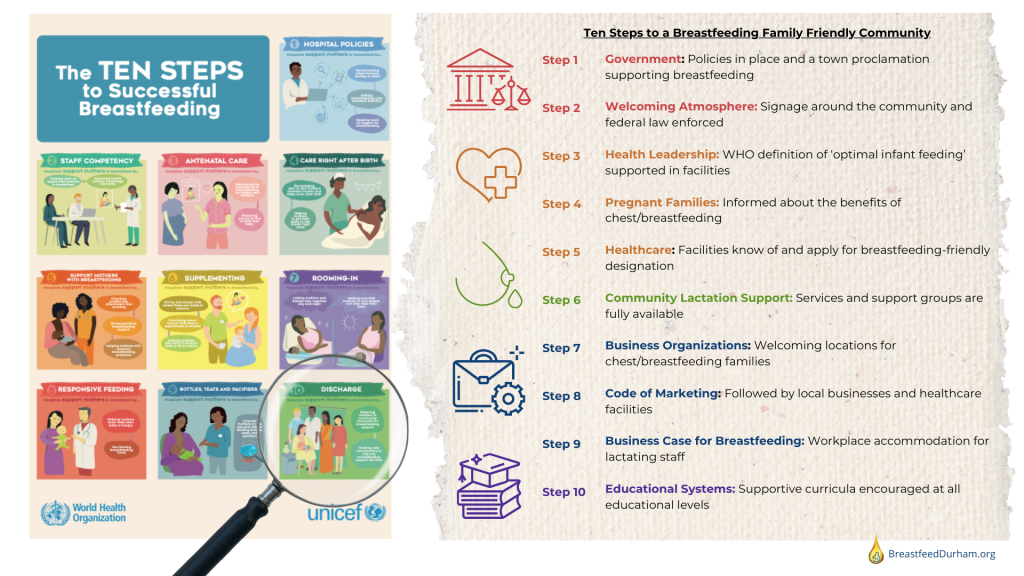
What we are building is not just a set of programs, it is a way of working that treats community knowledge as essential, preparedness as collective responsibility, and care as a systems-level practice. The work has outgrown the moment that created it, and that is both a sign of impact and a call to steward what comes next with intention.
This is the work before us now: not simply to do more, but to build what communities can rely on, today, and in the moments that matter most.