Addresses Critical Gaps in Infant and Young Child Feeding in Emergencies, hosted by North Carolina Breastfeeding Coalition

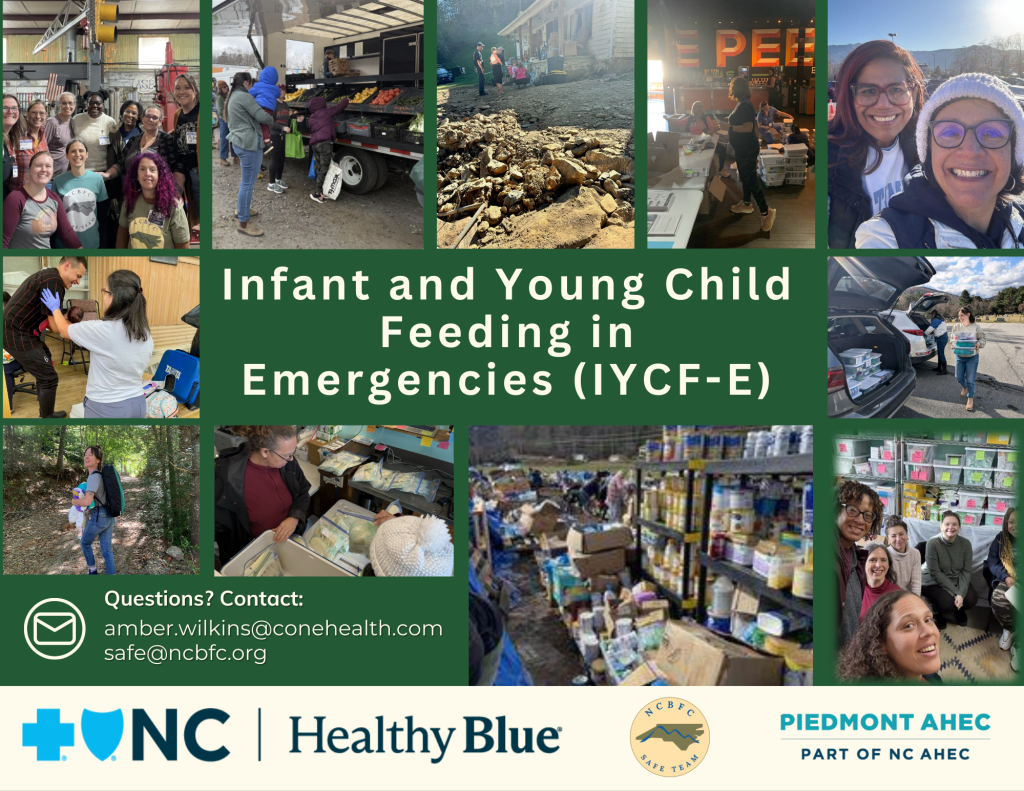
Raleigh, NC — The North Carolina Breastfeeding Coalition, in collaboration with the SAFE Infant Feeding Team, Breastfeeding Family Friendly Communities and Healthy Blue, Blue Cross and Blue Shield of North Carolina’s Medicaid Managed Care plan, is launching a new statewide training series focused on Infant and Young Child Feeding in Emergencies (IYCF-E) for North Carolina health advocates, community responders, and perinatal support professionals.
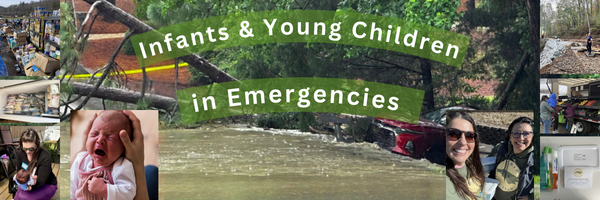
This training series responds to critical gaps revealed during Hurricane Helene, where many communities across North Carolina experienced prolonged power outages, unsafe water, and disrupted access to health services. During the storm response, coalition partners witnessed firsthand how emergency systems often overlook the unique needs of infants and young children ages 0–3 — a population that cannot safely “wait it out” during a disaster.
“Babies are not small adults,” said Love Anderson, President and CEO of Breastfeeding Family Friendly Communities and Chair of the North Carolina Breastfeeding Coalition. “When infrastructure fails, feeding disruptions can quickly become life-threatening. This training series is about ensuring that communities know how to keep infants safe — before the next emergency happens.”
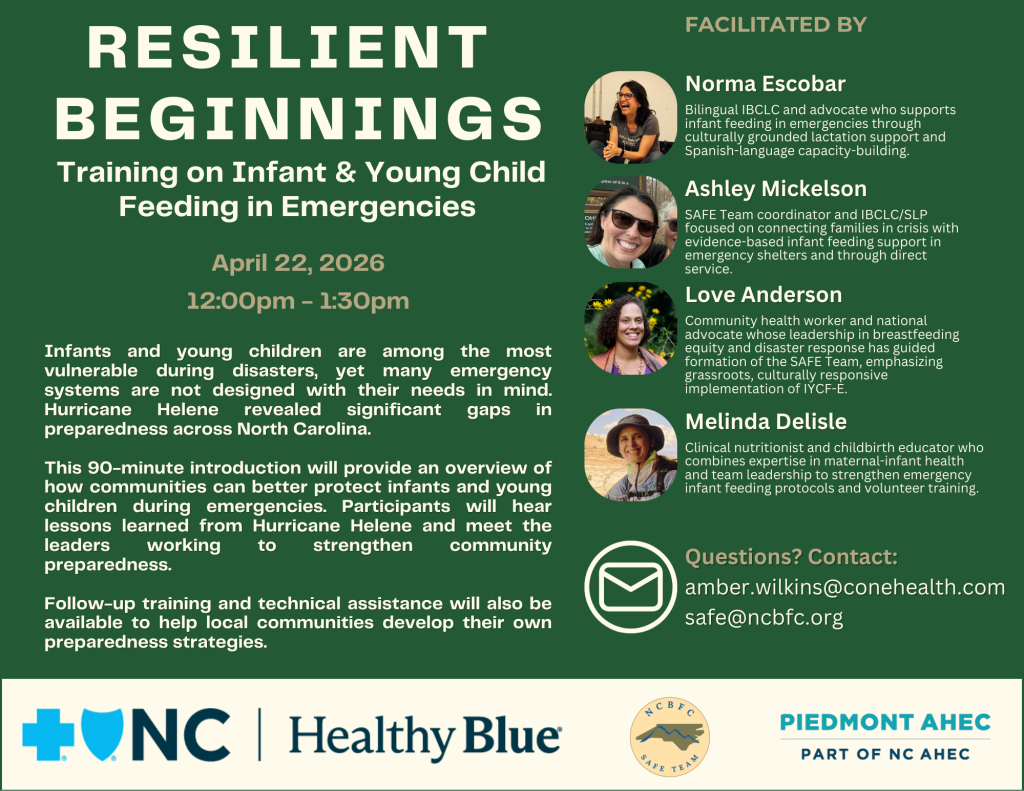
Training Launch: April 22, 2026
The series will launch on Wednesday, April 22, 2026, with a 90-minute virtual Lunch & Learn hosted through Piedmont AHEC. The session will convene health advocates and community responders from across the state to explore practical, evidence-based strategies for protecting infant feeding during emergencies. Continuing education credit will be available.
This session will focus on lessons learned from recent disasters, including how families experience “micro-emergencies” such as power outages, unsafe water, housing instability, food insecurity, family separation, and/or evacuation.
Participants will:
- Learn why infants are among the highest-risk populations during disasters
- Practice rapid, trauma-informed, feeding and family-needs assessments
- Identify safer feeding options when water, power, or sanitation are compromised
- Build local referral pathways to lactation and infant feeding specialists
- Explore how these skills apply in both large-scale disasters and everyday crises
A Scalable, Community-Centered Model
Following the April launch, the Coalition will offer customized virtual follow-up trainings for North Carolina’s perinatal health regions, as well as county and regional-level organizations seeking tailored sessions. Each training adapts core content to local geography, infrastructure risks, and response networks — helping participants see how IYCF-E applies in their community.
The Coalition is currently inviting counties, health departments, and regional partners to host or co-host regional sessions. “We are intentionally starting with health advocates and community-based professionals.” Anderson added. “Before we can integrate infant feeding into large-scale emergency preparedness systems, we need a strong base of informed specialists who are ready to respond and collaborate.”
Who Should Attend
This training series is designed for:
- Emergency Managers
- Public health professionals, WIC nutritionists and dietitians, and maternal-child health professionals
- Lactation consultants, doulas, breastfeeding peer counselors and childbirth educators
- Community health workers and home-visiting program staff
- Childcare providers and early childhood professionals
- Faith-based and community organization leaders
- Healthcare support professionals and allied health professionals working with families of young children
- Interested community members
Future outreach will include additional professional audiences as the initiative grows.
How to Get Involved
Organizations interested in:
- Attending the April 22 launch session (Register)
- Hosting a regional or county-specific training
- Partnering on outreach or implementation
are encouraged to contact The NC SAFE Team at safe@ncbfc.org.
More information about Infant and Young Child Feeding in Emergencies and the SAFE Infant Feeding Team is available at safeinfantfeeding.org.
About the Partners
The North Carolina Breastfeeding Coalition works to improve breastfeeding outcomes and reduce infant mortality through policy, systems, and community-based change.
The SAFE Infant Feeding Team is a multidisciplinary group providing trauma-informed infant feeding support during emergency response, recovery, and preparedness. The SAFE Team is carrying out local, state, and national policy advocacy work to prioritize integrating the inclusion of infant and young child feeding into emergency preparedness plans across jurisdictions.
Blue Cross and Blue Shield of North Carolina (Blue Cross NC), the leading not-for-profit health plan in North Carolina, is committed to improving the health and well-being of its customers and communities. Since 1933, the company has developed programs and initiatives that give North Carolinians the opportunity to live healthier lives. Blue Cross NC serves more than 5.3 million members, including approximately 1.2 million on behalf of other Blue Plans. Blue Cross NC is an independent licensee of the Blue Cross and Blue Shield Association. Visit Blue Cross NC online at http://www.bluecrossnc.com.
Breastfeeding Family Friendly Communities supports local and statewide initiatives to create environments where families can safely feed and care for infants — during everyday life and in times of crisis.
Piedmont AHEC supports continuing education for health and public health professionals across North Carolina and is hosting the April 22 launch training.